Your TBR Pile Is a Self-Portrait: What the Books You Never Read Say About Who You're Becoming
Your TBR Pile Is a Self-Portrait: What the Books You Never Read Say About Who You're Becoming
Let's be honest about the stack.
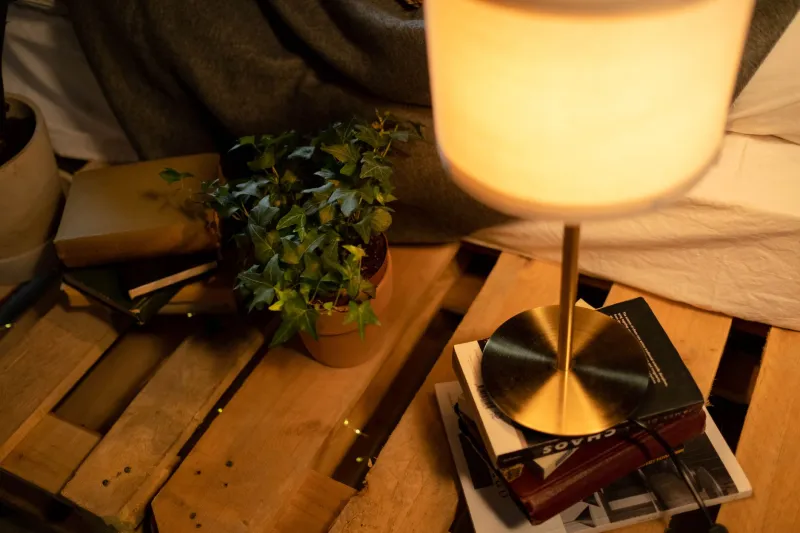
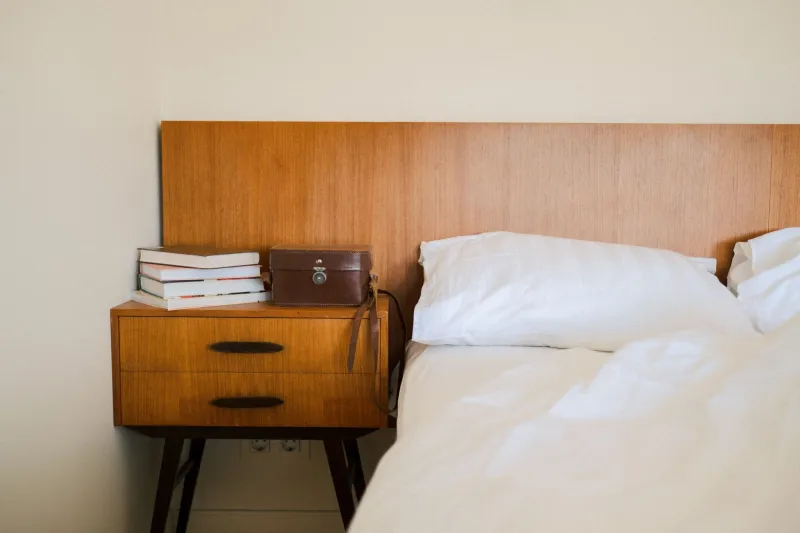
Maybe it lives on your nightstand, leaning a little dangerously to the left. Maybe it's a shelf you designated for soon — and soon has been quietly stretching toward never for the better part of three years. There's the novel your college roommate swore would change your life. A dense history of something you were briefly, intensely curious about. A self-help title you bought during a particularly chaotic February. A poetry collection that felt urgent at the bookstore and has felt slightly guilty-making ever since.
This is your TBR pile — your To Be Read list made physical — and if you're a reader in America, there's a decent chance it's bigger than you'd like to admit.
Here's the thing, though: that pile isn't proof that you're lazy or scattered or a fraud. According to the people who study how we relate to books — bibliotherapists, psychologists, reading researchers — your unread shelf might actually be the most revealing thing in your home. Not because of what it says about your failures, but because of what it maps about your interior life.
The Japanese Have a Word for It
The concept of tsundoku — the Japanese practice of acquiring books and letting them pile up unread — has made the rounds in bookish corners of the internet for good reason. It resonates because it names something that felt shameful and reframes it as simply... human. Maybe even beautiful.
But tsundoku is more than a charming word. It points to a real psychological phenomenon: the gap between who we are right now and who we imagine ourselves becoming. Every unread book on your shelf represents a version of you that felt possible at the moment of purchase — a you who was going to finally understand economics, learn to slow down, reckon with grief, or fall in love with poetry.
That gap isn't failure. It's aspiration in physical form.
What Bibliotherapists Actually See
Bibliotherapists — practitioners who use books as tools for emotional and psychological growth — have long observed that the books people choose to own but not read are often more therapeutically interesting than the ones they finish.
"There's something very protective about the unread book," says one approach common in bibliotherapy circles. Once you read a book, it becomes fixed — it either delivered or it didn't. But the unread book stays full of potential. It can still be everything you hoped it would be.
This is especially true of books people buy during moments of transition: a divorce, a career change, a health scare, a move across the country. Those books often go unread not because the person lost interest, but because the emotional moment that called for them passed — or because reading them would make the situation feel too real, too final.
Look at your own pile with that lens. The book about starting over. The memoir about surviving something. The guide to a life you're not quite living yet. What moment were you in when you brought those home?
The Aspirational Shelf vs. The Comfort Shelf
Most avid readers, if they're honest, maintain two kinds of reading lives: the books they actually read (often comfort reads, reliable genres, beloved authors) and the books they intend to read (often more ambitious, more challenging, more "improving").
This split is worth examining without judgment. There's no moral hierarchy between a beach thriller and a Pulitzer Prize winner. But the distance between your comfort shelf and your aspirational shelf can tell you something real about where you feel safe and where you feel a little afraid.
Readers across the country describe the same pattern. "I keep buying literary fiction and reading mysteries," one reader in Portland put it plainly. "I think I want to be the kind of person who reads Cormac McCarthy, but when I get home and I'm tired, I reach for something that feels like a warm blanket."
That's not hypocrisy. That's just being human. The aspirational book stays on the shelf because you're not ready for it yet — and maybe that's okay. Maybe not yet is a complete sentence.
Fear Is a Bookmark
Sometimes the books we never open are the ones we're most afraid of.
A memoir about addiction that sits untouched because someone in your family is struggling. A book about death that you bought after a diagnosis and can't quite bring yourself to crack. A novel set in a country your grandparents fled that you've owned for a decade and always find a reason to postpone.
These aren't forgotten books. They're felt books — books your nervous system knows are heavy before your hands ever open them. And the fact that you own them, that you keep them, that you move them from apartment to apartment without ever reading them, says something profound: you haven't given up on being ready. You're just not there yet.
That's not avoidance. That's self-knowledge.
Your Unread Shelf as a Living Document
Here's an exercise worth trying: pull every unread book off your shelf and lay them out. Don't organize them, don't judge them — just look at them together as a collection.
What do you see? What themes keep showing up? What time periods, what subjects, what emotional registers? Are there books you bought in a completely different phase of your life that no longer feel like you at all? Are there books that feel more urgent now than when you bought them?
This isn't about figuring out which ones to finally read. It's about reading the collection itself — treating your TBR pile the way you might treat a journal, as a document of your evolving self.
Some readers find that doing this exercise helps them release the guilt entirely. Others find books they'd genuinely forgotten about and feel a sudden, real pull toward. A few discover that a book they've been avoiding for years is exactly the one they need right now.
All of those outcomes are useful. All of them are honest.
Hold the Pile a Little Differently
At Take Hold The Book, we believe that reading is never just about the words on the page — it's about who you are when you pick the book up, and who you might become by the time you set it down. That belief extends, we'd argue, to the books you haven't read yet.
Your TBR pile is not a to-do list you're failing. It's a record of every time you stood in a bookstore or scrolled through a page and thought, yes, that — I want that in my life. It's full of your curiosity, your longing, your half-formed intentions, and your very human capacity to want more than you can possibly consume.
That's not something to be ashamed of. That's something worth holding.
So the next time someone gives you a look at the stack on your nightstand, you can tell them exactly what it is: a self-portrait, still in progress.