Overlooked and Underread: The Hidden Classics That Deserve a Spot on Your Shelf
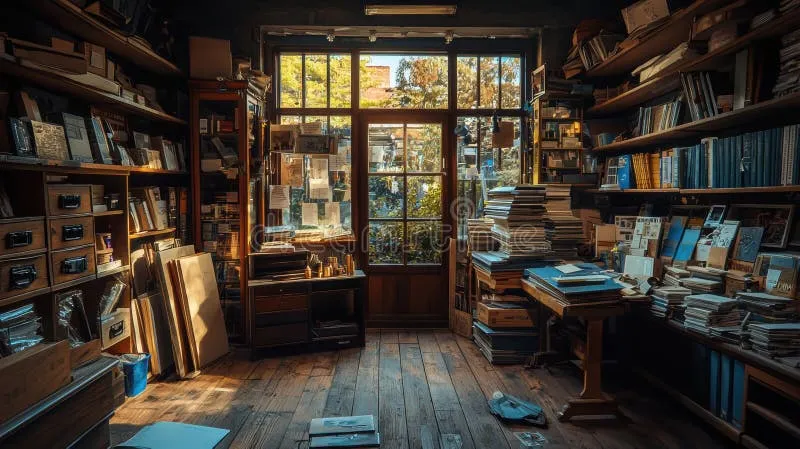
Photo: dusty vintage books on shelf in used bookstore, via thumbs.dreamstime.com
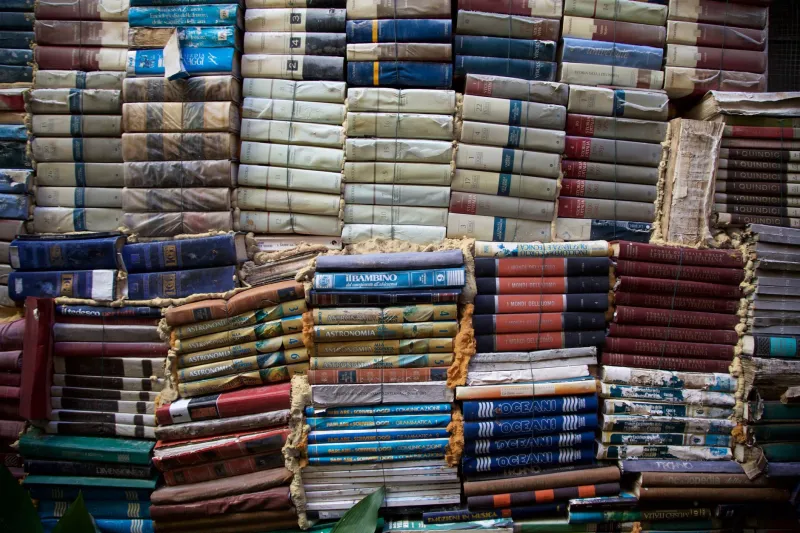
There's a peculiar cruelty to the way we talk about books. The same fifteen titles cycle through every recommendation engine, every airport display, every "if you liked that, try this" algorithm. Meanwhile, genuinely extraordinary works — books that critics praised, that writers quietly revere, that changed the shape of a sentence for anyone lucky enough to stumble across them — collect dust in the back corners of used bookstores, priced at two dollars and worth a hundred times that.
This isn't an accident. It's a system. And if you love reading the way we do here at Take Hold The Book, it's worth understanding how it works — and how to work around it.
Why Good Books Disappear
The publishing industry is not a meritocracy. It never really was. A book's visibility depends on marketing budgets, timing, the mood of a few influential reviewers, and sometimes just dumb luck. A debut novel that lands the week a major cultural event dominates the news cycle might vanish without a trace, regardless of its quality. An author without a publicist, a platform, or a pre-existing audience starts at a structural disadvantage that talent alone rarely overcomes.
Book club algorithms — whether that's Goodreads recommendations or the "Readers Also Enjoyed" sidebar on retail sites — tend to amplify what's already popular. The rich get richer. The obscure stay obscure. And readers who rely entirely on these tools end up in a loop, circling the same hundred books forever.
None of this means those popular books are bad. Some of them are genuinely great. But it does mean that the map most of us are using to navigate literature has enormous blank spaces in it.
The Books Worth Hunting Down
So what's actually out there, hiding in those blank spaces? Here's a starting point — a handful of titles that have earned their place in the literary conversation but somehow never quite made it there.
"Stoner" by John Williams — Published in 1965, largely ignored, then quietly rediscovered decades later when a European publisher reissued it and readers couldn't stop pressing it into each other's hands. It's the story of a Missouri farm boy who becomes an English professor, and it is one of the most quietly devastating novels ever written in the American tradition. If you've never read it, stop what you're doing.
"The Recognitions" by William Gaddis — Often called the great American novel that nobody reads, this 1955 behemoth is dense, demanding, and absolutely worth the effort. Gaddis wrote about forgery, authenticity, and the cost of artistic integrity decades before those conversations became mainstream. It influenced writers from Thomas Pynchon to David Foster Wallace, neither of whom are exactly obscure. The source material, though, remains largely unread.
"Housekeeping" by Marilynne Robinson — Before Robinson won the Pulitzer for "Gilead," she published this extraordinary debut novel in 1980, and it has never quite received the same level of attention as her later work. Set in a small Idaho town, it's a story about transience, loss, and the women who refuse to be anchored. The prose is almost unbearably beautiful.
"The Moviegoer" by Walker Percy — This one won the National Book Award in 1962, which should have guaranteed it a permanent place in the American literary canon. Instead, it gets overshadowed by flashier existentialist novels from the same era. Percy's Binx Bolling, wandering through New Orleans and searching for something he can't name, feels more contemporary now than he probably did at publication.
"Dept. of Speculation" by Jenny Offill — More recent than the others, but already in danger of being forgotten beneath the avalanche of new releases. Offill's fragmented, essayistic approach to a failing marriage is one of the most formally inventive American novels of the last twenty years. It's short enough to read in an afternoon and long enough to sit with for a lifetime.
How to Find More of Them
The best tool for finding overlooked books is, ironically, other readers — not algorithms. Specifically, readers who are a little obsessive about this kind of thing.
Independent bookstore staff are an underused resource. The person working the floor at your local indie has almost certainly read widely and weirdly, and if you tell them you're looking for something great that nobody talks about, they will light up. This is exactly the kind of question they've been waiting for.
Literary prizes are another avenue, but go sideways with them. Instead of looking at winners, look at shortlists and longlists from five, ten, twenty years ago. The books that almost won something significant and then got lost in the shuffle are often exactly what you're looking for.
Old reviews in places like the New York Review of Books, the Paris Review, or even the back issues of small literary journals can surface titles that never made it into the digital recommendation ecosystem. There's a whole world of literary criticism that predates the algorithm, and it's full of enthusiastic endorsements for books that are still technically in print and still absolutely readable.
Take Hold of Something Different
The point of all this isn't to be contrarian about popular books. It's to push back against the idea that the reading life has to be a passive experience — that you just receive whatever the algorithm sends your way and call it discovery.
Real discovery is messier and more rewarding than that. It involves wandering, dead ends, and the occasional two-dollar paperback that turns out to be the best thing you've read in years. It means holding the book that nobody handed you, that nobody told you to read, that you found entirely on your own.
That's what taking hold of a book actually means. Not just consuming what's in front of you — but going out and finding what's been waiting.