The Unwritten Code: What Used Books, Little Free Libraries, and Donation Boxes Say About American Readers
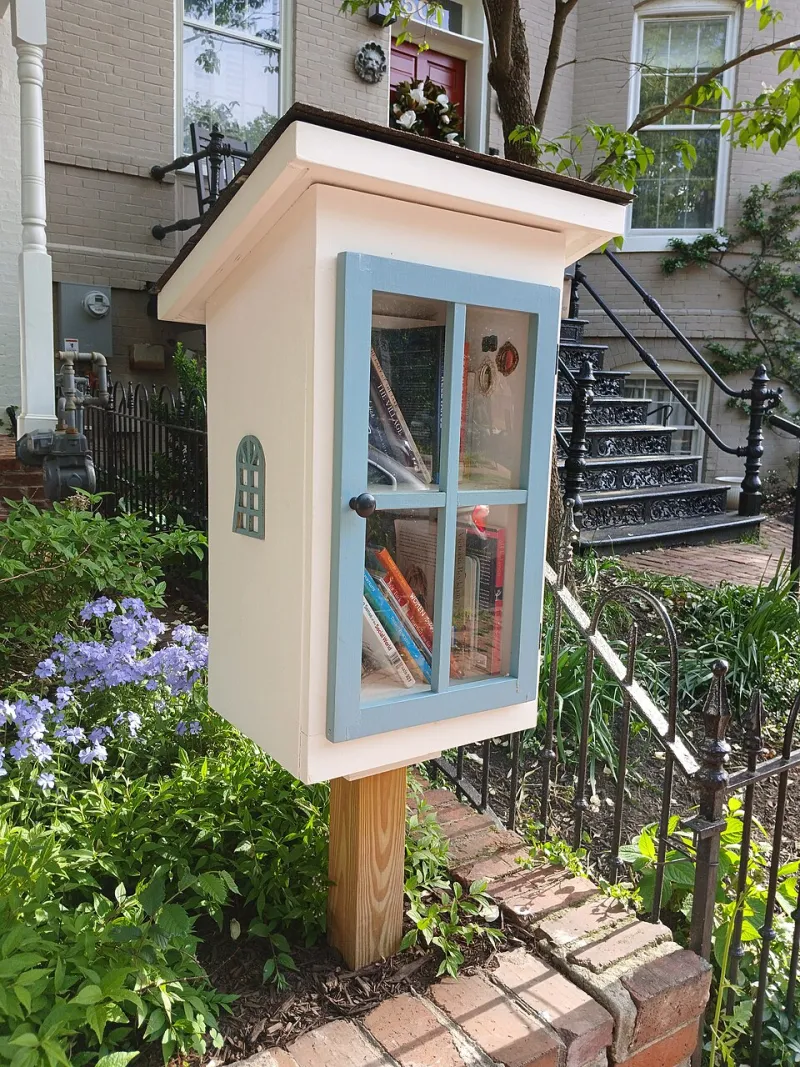
Photo: Ser Amantio di Nicolao, CC BY-SA 4.0, via Wikimedia Commons
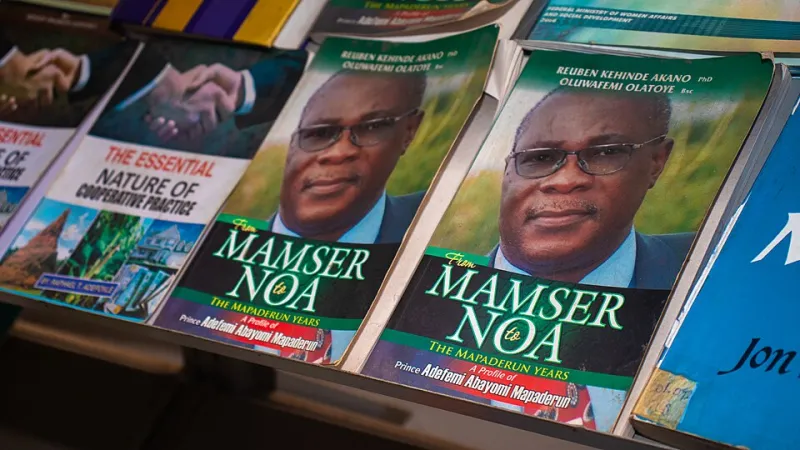
Step inside a Goodwill in any mid-sized American city and head straight for the book section. Give yourself ten minutes. You'll find at least one copy of The Da Vinci Code, a self-help title from 2011 that promised to rewire your brain in thirty days, a water-warped paperback romance with the cover half-torn, and — if you're lucky — something completely unexpected. A signed first edition, maybe. A forgotten novel from the 1970s that deserves a second life. A children's book with a child's name written in crayon on the first page.
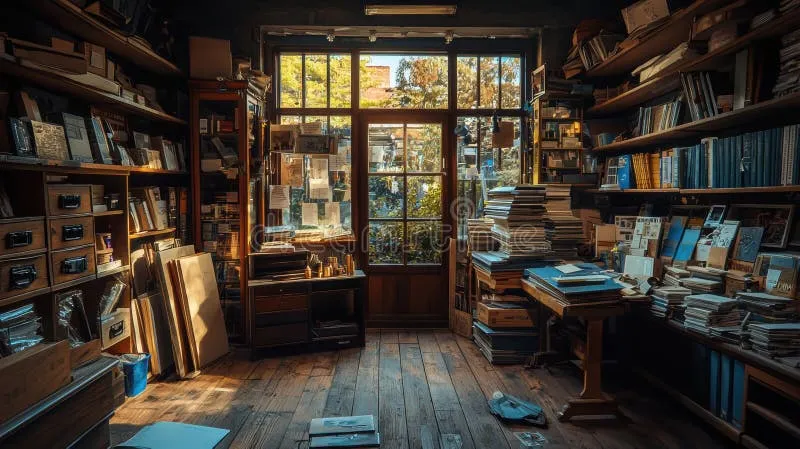
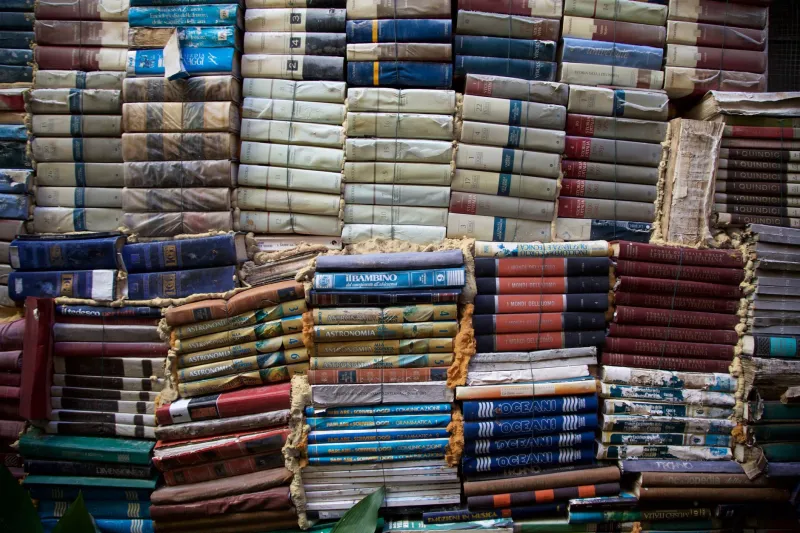
The used book ecosystem — thrift stores, used bookshops, Little Free Libraries, neighborhood swaps, library sales, and donation boxes — is one of the most honest portraits of American reading culture that exists. No marketing. No curation. No algorithm deciding what's visible. Just the books people read, loved or didn't, and eventually released back into the world.
And that release, it turns out, is governed by a whole set of unwritten rules that most participants follow instinctively, without ever having discussed them.
The Etiquette Nobody Taught You
Start with Little Free Libraries — those small wooden boxes on posts in front yards and parks across the country, operating on the simple principle of "take a book, leave a book." There are now more than 150,000 registered Little Free Libraries worldwide, with a significant concentration across American suburbs, college towns, and increasingly, urban neighborhoods.
On the surface, they're charmingly anarchic. No librarian. No due dates. No catalog. But spend any time paying attention to them and you'll notice that a surprisingly consistent code of conduct governs how people interact with them.
You don't take more than you leave, or at least you feel vaguely guilty when you do. You don't dump an entire box of books you're clearing out — that's considered bad form, a kind of offloading rather than contributing. You leave books in reasonable condition; a soaking wet paperback isn't a gift, it's a problem. And you tend not to leave books that feel aggressive or pointed — the kind of thing that reads less like a gift and more like a statement.
Nobody wrote these rules down. But violate them and you'll feel it.
Used bookstores have their own parallel culture. Regulars know not to hover when someone's browsing a section you want. You don't cherry-pick the best books from a store's shelves to immediately resell elsewhere (a practice known, with quiet disdain, as "scouting"). And there's a kind of reverence expected around books in exceptional condition — you don't damage what's rare.
What Gets Left Behind (And What That Tells Us)
The books that circulate most heavily through secondhand channels are themselves a kind of cultural data set.
Certain titles appear everywhere, in every used bookstore, in every Little Free Library, in every donation pile. Eat, Pray, Love. The Alchemist. Fifty Shades of Grey. The Secret. These are books that millions of Americans bought, read (or started), and released. Their ubiquity in the secondhand market tells you something: they were consumed at a particular cultural moment and then, for many readers, they were finished. Done. Ready to move on.
But then there are the books that almost never show up in the secondhand stream — the ones that readers hold onto. The ones that stay on shelves through moves and breakups and downsizings. The absence of a book from the used market is its own kind of signal.
And then there are the surprises. The unexpected finds that have no business being in a bin at a church rummage sale. A first-edition Flannery O'Connor. A signed copy of something by a writer who went on to win a major award. A translation of a novel that never got wide distribution in the US but is considered a masterpiece in its home country. These appear because someone's collection got dispersed — through death, through a move, through a family that didn't quite know what they had.
Every used bookstore owner has stories about these. It's part of what keeps them in the business.
The Marginalia Chronicles
One of the most intimate aspects of secondhand books is what readers leave inside them. And we're not just talking about the occasional underline.
Marginalia — the notes, underlines, asterisks, and annotations left by previous readers — transforms a used book into something more layered than a new one. You're not just reading the author. You're reading alongside every reader who came before you.
Sometimes the marginalia is purely practical: definitions circled, passages marked for reference. Sometimes it's argumentative — a reader talking back to the text, writing "NO" or "exactly" or "this is wrong" in the margin. Sometimes it's heartbreaking: a date, a name, a single sentence that suggests the reader was going through something significant when they encountered this particular page.
There's a whole genre of reader experience built around found marginalia — the discovery of a previous reader's inner life embedded in a secondhand copy. Some people seek it out deliberately, preferring used copies to new ones specifically because of what might be waiting inside.
The Price Tag as Artifact
Don't overlook the sticker on the back.
A used book's price history is a small archaeological record. A $3.99 sticker from a Goodwill over a $0.50 sticker from a library sale tells you this book has been in circulation for a while, that it passed through at least two previous secondhand hands. A price tag from a now-closed bookstore is a little memorial to a place that no longer exists. A handwritten price in pencil suggests a private seller, an estate sale, a person rather than an institution.
These details matter to a certain kind of reader — the kind who thinks of books not just as texts but as objects with histories.
Secondhand Books and the Accessibility Argument
There's a more practical dimension to all of this worth naming directly: used books are how a lot of Americans access reading without financial strain.
New hardcovers regularly retail for $28 to $35. For readers on tight budgets — students, families stretching a paycheck, retirees on fixed income — the used book ecosystem isn't a charming hobby. It's how they read at all. A dollar bin at a library sale, a Little Free Library stocked by generous neighbors, a thrift store with a half-off book day — these are genuine access points.
The secondhand book world is, in this sense, one of the more quietly democratic institutions in American cultural life. It doesn't care what you can afford. It just asks that you participate in the cycle — take something, leave something, keep the books moving.
What to Leave. What to Take. What to Hold Onto.
If you're new to this ecosystem, here's the unofficial orientation:
Leave books that gave you something, not just books you're done with. There's a difference between releasing a book because it served its purpose and dumping it because you have too many. The former is generosity. The latter is just logistics.
Take books that call to you, even if you can't explain why. The serendipity of a used book find is part of the experience. Trust the pull.
Read the marginalia. Don't skip past someone else's annotations. They're part of the book now.
Don't hoard the good stuff. If you find something rare or exceptional in a Little Free Library and you already own a copy, leave it for someone who doesn't.
And if you find something with a name written inside — a child's name, a dedication, a gift inscription — read it slowly. Someone loved this book enough to give it to someone else. That's the whole point.
The bestseller lists will tell you what people are buying. The used book ecosystem will tell you what people are actually doing with their reading lives. Take hold of a secondhand copy sometime. The story inside it is never just the one the author wrote.