Shelf Life Online: What Your BookTok Feed Says About the Way We Read Now
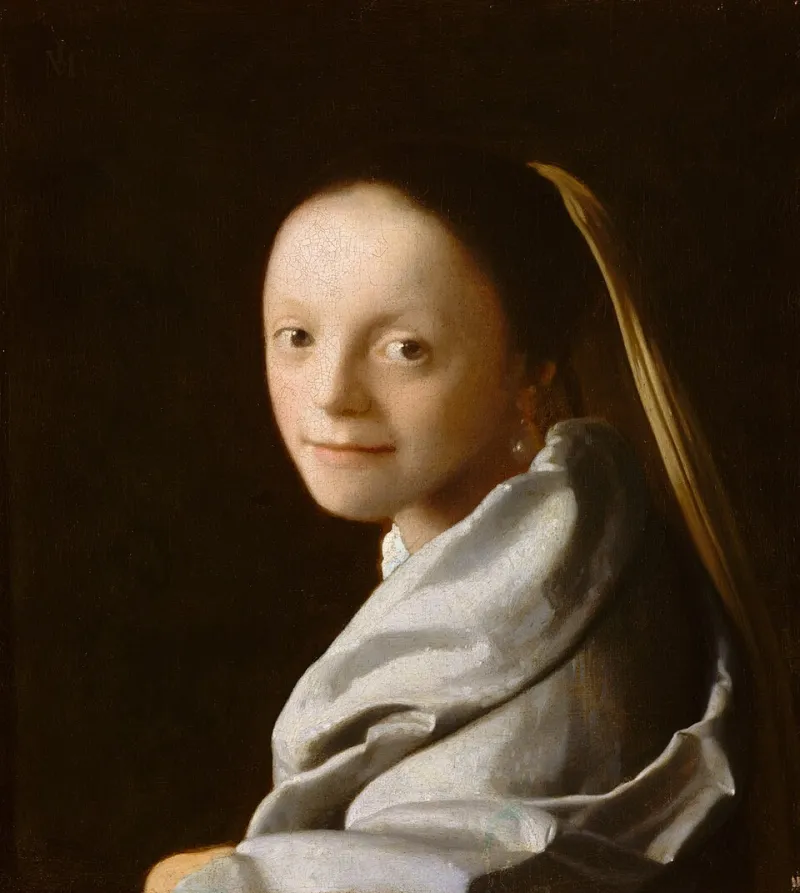
Photo: Johannes Vermeer, Public domain, via Wikimedia Commons
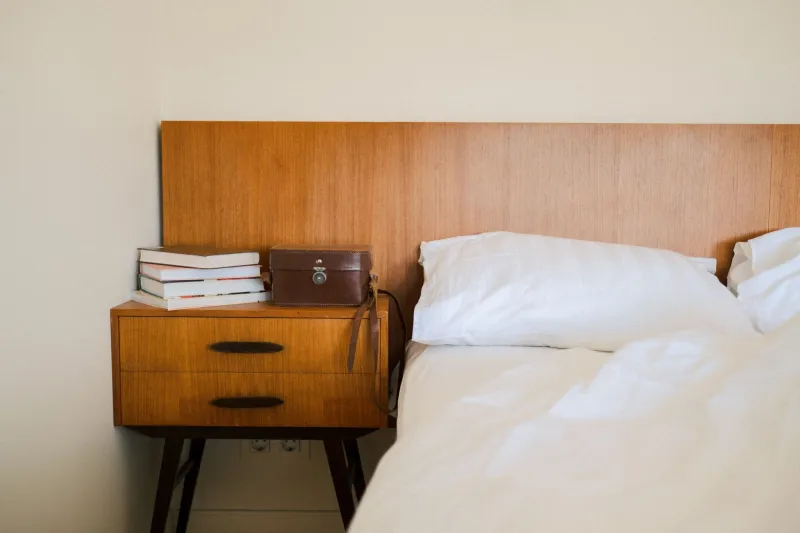
Not long ago, reading was considered one of the most private things a person could do. You curled up somewhere quiet, shut the door, and disappeared into a book. What you read, how fast, how many times you cried — that was between you and the pages.
That version of reading still exists. But alongside it, something entirely new has emerged: a version of reading that is public, social, aesthetically intentional, and often filmed in golden-hour lighting with a latte in the frame.
Welcome to literary life in the age of BookTok and Bookstagram. It's chaotic, it's occasionally shallow, it's sometimes genuinely moving — and it's changing the way millions of Americans relate to books.
The Rise of the Reading Persona
BookTok — the sprawling corner of TikTok dedicated to book content — has been credited with reviving interest in reading among younger audiences in a way that nothing else has managed in years. Publishers noticed. Sales of titles that went viral on the platform spiked in ways that defied conventional marketing logic. Colleen Hoover became a cultural phenomenon. Backlist titles suddenly found new audiences. The algorithm, for once, seemed to be doing something genuinely useful for literature.
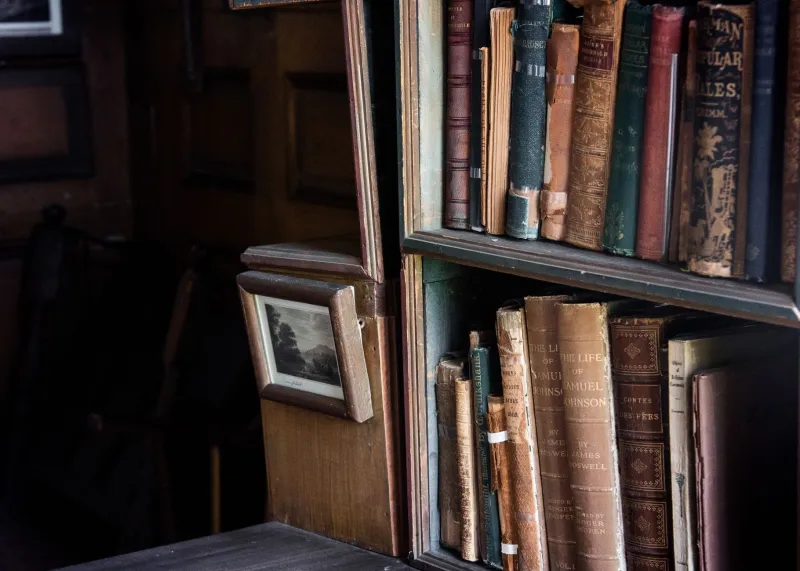
Bookstagram has been around longer, building a visual culture around books that prizes beautiful covers, color-coordinated shelfies, and the kind of cozy reading atmosphere that makes you want to immediately cancel your plans and stay home with a novel. There's a whole aesthetic language to it — the knitted blanket, the steaming mug, the rain-streaked window. Reading as a lifestyle, not just an activity.
Together, these platforms have created something that didn't really exist before: a mass public identity built around being a reader. And a lot of Americans have grabbed onto that identity with both hands.
Why We Want People to Know We Read
It's easy to be cynical about this. And some critics have been, arguing that performative reading — tracking every book on Goodreads, posting every haul, filming your emotional reactions to plot twists — strips something essential from the experience. That reading becomes less about the inner life it cultivates and more about the social currency it generates.
There's something to that critique. But it misses a more interesting question: why do people want to perform their reading life in the first place?
Part of it is identity. In a culture that often reduces people to their jobs, their politics, or their aesthetic choices, being a reader signals something specific about who you are and what you value. It says: I am a person who slows down. I am a person who engages with complex ideas. I am a person who cares about stories. That's not nothing. That's actually quite a lot.
Part of it is community. Reading has always been a somewhat solitary pursuit, and for people who love books deeply, that solitude can tip into loneliness. Book clubs exist because readers want to talk about what they've read. BookTok and Bookstagram are, at their best, the same impulse scaled up — a way of finding other people who care about the same things you do, across geography and time zones and circumstances.
And part of it — honestly — is that reading feels countercultural right now. In an attention economy designed to fragment your focus and keep you scrolling in five-second increments, choosing to sit with a book for hours feels like a small act of resistance. Posting about it is a way of marking that resistance publicly, of saying: I did a thing that was hard and slow and worth it.
The Anxiety Underneath the Aesthetic
But there's a shadow side to all of this that doesn't get talked about enough.
When reading becomes a performance, it acquires the same anxieties that performance always brings. Are you reading enough? Are you reading the right things? Are you reading them fast enough to stay current with what everyone else is talking about? Is your TBR pile impressive or just overwhelming? Do your shelves look good enough to photograph?
Readers in these communities sometimes describe a kind of compulsive quality to their book consumption — chasing the next viral recommendation, abandoning books that don't immediately hook them, feeling guilty about rereading instead of moving on to something new. The very platforms that brought them into a reading community can end up making reading feel like work.
This is worth paying attention to, especially if you find yourself feeling more anxious about your reading life than joyful about it. The books are supposed to be the point. The feed is just the frame.
What We're Actually Searching For
Here's what strikes us about all of this: underneath the aesthetics and the algorithms and the performative joy, what most people in these communities seem to be genuinely searching for is pretty simple. They want to feel less alone. They want to find other people who get it — who understand what it means to be devastated by a fictional character's death, or to stay up until 2 a.m. because the chapter wouldn't end, or to carry a book's sentences around in your head for weeks after you've finished it.
That's a legitimate human need. And if BookTok and Bookstagram are meeting it for a lot of people, that matters — even if the medium is imperfect, even if the algorithm occasionally surfaces the wrong books, even if some of the content is more about the vibe than the actual reading.
Take hold of your reading life in whatever way works for you. Post about it or don't. Film your reactions or keep them private. But don't let the performance replace the thing itself. The best part of being a reader has never been the image. It's always been what happens when you actually open the book.